JUDICIARY OF INDIA
- The Indian judiciary is an independent, integrated system with a three-tiered structure: the Supreme Court at the top, followed by High Courts at the state level, and then subordinate courts (like District Courts and Magistrates’ Courts) at the local level. Its primary role is to resolve conflicts, apply laws, and protect citizens’ fundamental rights by acting as a check on the legislative and executive branches of the government. The system inherited its legal framework from British rule but has maintained its own traditions of judicial independence.
- Structure and hierarchy
- Supreme Court: The highest court of appeal and the ultimate interpreter of the Constitution. It has original, appellate, and advisory jurisdiction.
- High Courts: Established in each state, these courts are below the Supreme Court. They hear appeals from the subordinate courts.
- Subordinate Courts: This tier includes District Courts and courts of Judicial Magistrates and Civil Judges. They handle civil and criminal cases at the district and local levels.
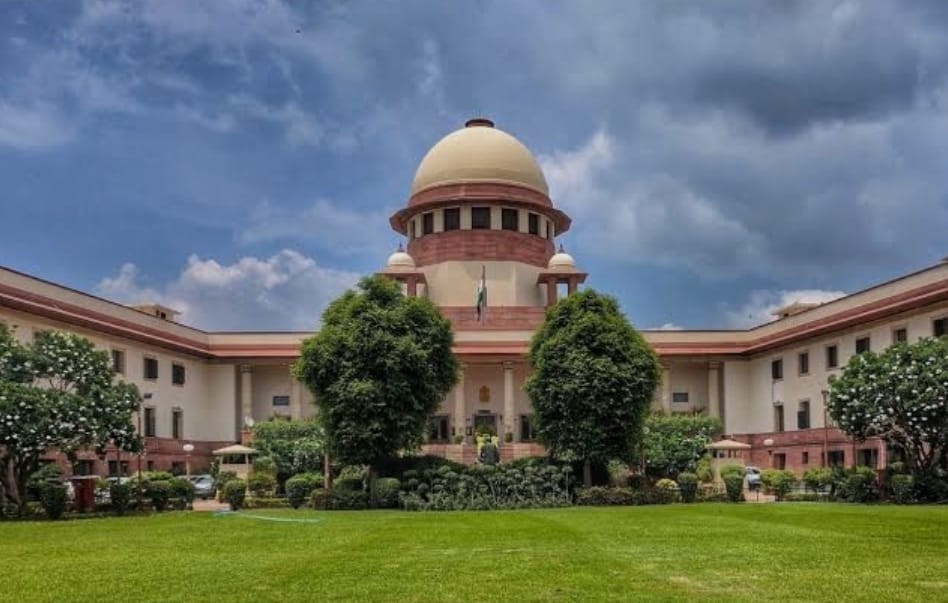
The Supreme Court of India is composed of the Chief Justice of India and 33 other judges, for a total of 34 judges, who are appointed by the President of India. It is the apex of India’s integrated judicial system, with its seat fixed in Delhi, though the Chief Justice can designate other places. Judges serve until they are 65 years old.
Composition and structure
- Judges: The court consists of the Chief Justice of India and up to 33 other judges, making a total strength of 34.
- Original strength: The court was originally established with one Chief Justice and seven other judges.
- Parliamentary power: Parliament has the authority to increase the number of judges.
- Appointment: Judges are appointed by the President of India after consultation with the Chief Justice and other judges. Retirement: Supreme Court judges retire upon reaching the age of 65.
High Courts in India are the highest judicial bodies at the state level, sitting above the district and subordinate courts in a three-tier system that includes the Supreme Court at the apex. Each High Court, headed by a Chief Justice, has jurisdiction over a state, a group of states, or a union territory and handles appeals from lower courts while also exercising original and writ jurisdiction, and supervising all subordinate courts within its jurisdiction.
Structure and function of High Courts
Hierarchical position: High Courts are the principal state-level courts, situated below the Supreme Court and above the district and subordinate courts.
Jurisdiction:
- Appellate: They primarily hear appeals from lower courts, both civil and criminal.
- Original: Some High Courts have original jurisdiction, meaning they can hear certain cases directly, such as disputes involving the constitution or state government.
- Writ: High Courts can issue writs (orders) to enforce fundamental rights.
- Supervision: They have the power to monitor and supervise the functioning of all subordinate courts within their jurisdiction.
- Composition:
- Chief Justice: Each High Court is headed by a Chief Justice.
- Judges: The number of judges varies for each High Court, depending on the caseload and other factors.
- Appointment: Judges are appointed by the President of India.
- Administration:
- The Ministry of Law and Justice handles matters related to the High Courts at the Union level, while state-level legal departments manage issues involving the High Courts and lower courts.
- Administrative staff, such as a registrar, ministerial officers, sherisadar, bench clerk, and bailiff, support the court.

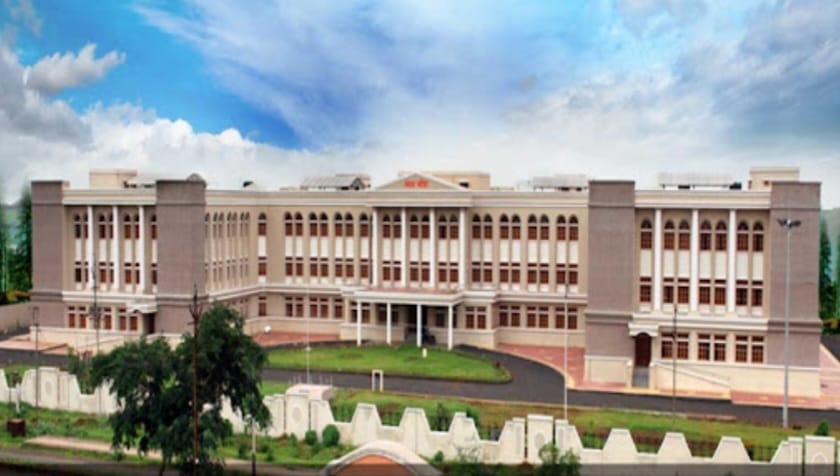
The Sessions Court, which handles criminal cases at the district level, is part of India’s subordinate judiciary structure, situated below the High Courts and Supreme Court. It is headed by a Sessions Judge and operates under the direct superintendence of the High Court. Within this structure, there are also different tiers, such as the Court of Sessions Judges and the Court of Magistrates, each handling different types of cases and jurisdictions.
Structure of the Sessions Court
- Hierarchy: The Sessions Court is part of the subordinate court system, falling under the High Courts, which are themselves below the Supreme Court of India.
- Jurisdiction: It is the principal civil court of original jurisdiction and the highest court of the district for criminal cases.
- Judges: The court is presided over by a Sessions Judge and may also include additional sessions judges.
- Subordinate courts: The hierarchy can also include Magistrates’ Courts and Subordinate Judges’ Courts, which are lower in rank and deal with specific types of cases.
- Appeals: Decisions from the Sessions Court can be appealed to the High Court.

INDIAN DAMOCRACY
Justice Administration Public Interest Litigation Guardian of the Constitution